
How Food Secure Planning Shields Belizean Communities From Climate Shocks
Introduction
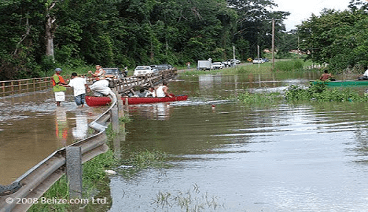
Belize’s vulnerability to hurricanes and climate shocks has exposed the fragility of its food security. Each disaster underscores the urgent need for integrated, people-centered planning. Usher Planning & Research, LLC examines how food systems planning in Belize can be vital for building resilience and safeguarding communities most at risk from climate disruptions.
Mapping the Landscape of Food Insecurity in Belize
Food insecurity in Belize is a profound challenge. Between 2021 and 2023, over 40 percent of Belizeans experienced moderate or severe hunger. By 2022, 61.8 percent could not afford a healthy diet, the highest rate in Mesoamerica. Belize imports 40 percent of its consumed food, so disruptions—such as from Hurricane Lisa in 2022—can trigger sharp price hikes, with urban vegetable prices surging by 30 percent in weeks. Climate shocks Belize faces, including hurricanes, droughts, and flooding, inflict average annual losses of $27 million. A single major storm can cause damage exceeding a quarter of the nation’s Gross Domestic Product.
As a Small Island Developing State, Belize’s risks are heightened. The food supply and economy rely on limited infrastructure—four main highway and two ports. Closures can isolate farmers and urban residents, cutting off access to essentials. Marginalized populations, especially in Belize City (and other coastal settlements) and remote villages, are hit hardest with loss of income, worsening diet-related illnesses, and deepening poverty. These realities demand comprehensive, cross-sector solutions that address the entire food system and its vulnerabilities.
Building Resilience With Secure Food Systems
Sustainable food systems in Belize start with climate-smart agriculture and robust disaster risk management. Producers are experimenting with drought-resistant crops and innovative techniques. Early warning systems, linked to Belize’s National Adaptation Strategy, deliver real-time alerts on rainfall, pests, and storms. Adaptive crop varieties and integrated water harvesting help reduce dependence on erratic weather, while diversified livelihoods—such as aquaponics and community agro-processing—spread risk and retain value locally.
Ministries, municipalities, and Non-governmental Organizations can drive impact by combining technical guidance with microfinance to help farmers adopt drip irrigation or raised-bed methods. Peer learning leverages local expertise, often more effective than imported toolkits. Integrating nutrition goals into agriculture programmes align with the School Food and Nutrition Policy, prioritizing healthy diets for all.
Usher Planning & Research, LLC integrates rigorous data with lived experience. Founded by a Belizean with international training, the firm bridges academic frameworks and local realities, translating best practices into actionable, village-level plans that honour cultural context.
Urban Planning and Community Economic Development as Shields
Food security in Belize: climate change challenges extend into cities. Urban planning is crucial for ensuring food access, even when infrastructure is threatened. Integrated land-use plans preserve floodplains for community farms and recreation. Green infrastructure—such as bioswales, permeable pavements, and mangrove buffers—mitigates flood risk and safeguards markets.
Resilient food distribution networks place cold-storage hubs near public transport, reducing spoilage and fuel costs. Community economic development initiatives—co-ops, credit unions, and local agro-processors—help households maintain cash flow when imports are disrupted. Locally driven planning, where residents co-design solutions, ensures buy-in and sustainability. Municipalities and private developers can foster resilience by forming public-private partnerships for green marketplaces, leveraging social infrastructure for emergency food distribution, and engaging planning experts to align hazard mapping with economic corridors.
Collaboration and Data for Effective Climate Adaptation
No single organization can address Belize’s climate vulnerability alone. Cross-sector collaboration among government, universities, Non-governmental Organizations (NGOs), and international agencies unlock innovation and funding. The government sets policy and provides data, universities analyze satellite imagery and conduct field trials, NGOs build community trust, and international partners supply catalytic capital.
Notable examples include the Blue Economy Climate Resilience Forum, where fishers and researchers co-developed reef-safe gear, and the Cat-DDO credit line, which enables rapid post-disaster financing. To replicate these successes, organizations should establish data-sharing agreements, conduct joint scenario planning using climate adaptation tools, and invest in local capacity so staff can update models independently. Usher Planning & Research, LLC excels in facilitating workshops that blend GIS dashboards with community storytelling, making complex data accessible and actionable.
Tools and Strategies for Climate-Resilient Food Security
For ministries, councils, and Non-governmental Organizations, a structured approach is essential:
- Conduct vulnerability assessments every three years using the FAO Resilience Index.
- Budget for early warning systems accessible to Belizean farmers via SMS.
- Incentivize sustainable agricultural practices, such as mulching, composting, and integrated pest management.
- Integrate food security into municipal plans, protecting peri-urban farmland through zoning.
- Utilize concessional finance, like the World Bank Cat-DDO, for rapid post-disaster support.
Key tools and frameworks include:
| Purpose | Tool | Where to Find It |
|---|---|---|
| Drought monitoring | Caribbean Drought & Precipitation Monitor | CariCOF website |
| Market price tracking | Agricultural Market Information System | Ministry of Agriculture |
| Integrated planning | Climate-SMART City Blueprint | UN-Habitat resources |
Usher Planning & Research, LLC’s strengths include:
| What Sets Us Apart | Why It Matters for You |
|---|---|
| Caribbean food systems focus plus global best practice | Solutions are tailored, not generic |
| Deep community engagement in multiple languages | Plans reflect real needs, boosting uptake |
| Combined social science and technical GIS expertise | You get robust data and nuanced context. |
| Flexible service menu, from rapid assessments to multi-year | Support fits your timeline and budget |
Methodology briefs and virtual clinics with planners are available for those seeking further detail.
Resilient Belizean Communities Begin With Food-Secure Planning
Climate change impacts on Belize are intensifying, but proactive food systems planning can transform risk into opportunity. Recent food insecurity statistics highlight the urgent need for sustainable, climate-smart food systems. Urban planning and community economic development are essential for maintaining strong supply chains, while collaborative, data-driven strategies enable effective adaptation across Belize. Usher Planning & Research, LLC is ready to help shape resilient strategies for the future. Explore our expertise and start building a food-secure future.